Therapeutic antibodies have become one of the most rapidly growing classes of drugs, revolutionizing modern medicine. Optimized manufacturing and purification processes are critical to ensure the quality, safety, and efficacy of monoclonal antibody (mAb) products, as well as to ensure the widescale use of mAb therapeutics in patients.
Content Resources
Article Collections
A carefully curated selection of article collections covering latest scientific findings in bioprocessing

ebook
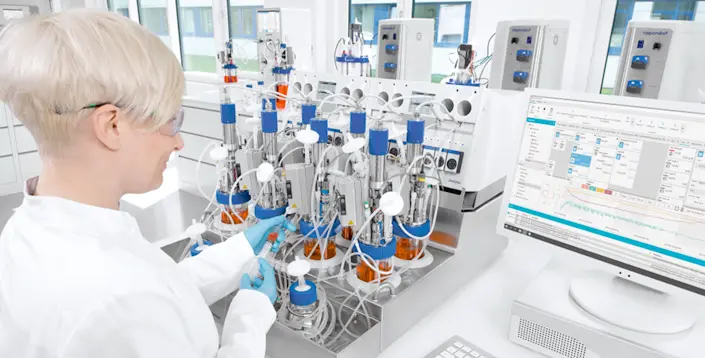
Advances in Bioprocessing for Biologics and Gene Therapy Vectors:
Bioprocessing is the development and manufacturing pipeline by which therapeutic agents such as engineered recombinant proteins, viral gene therapy vectors and other nanoparticle-based technologies are produced at levels required for commercial distribution.
ebook
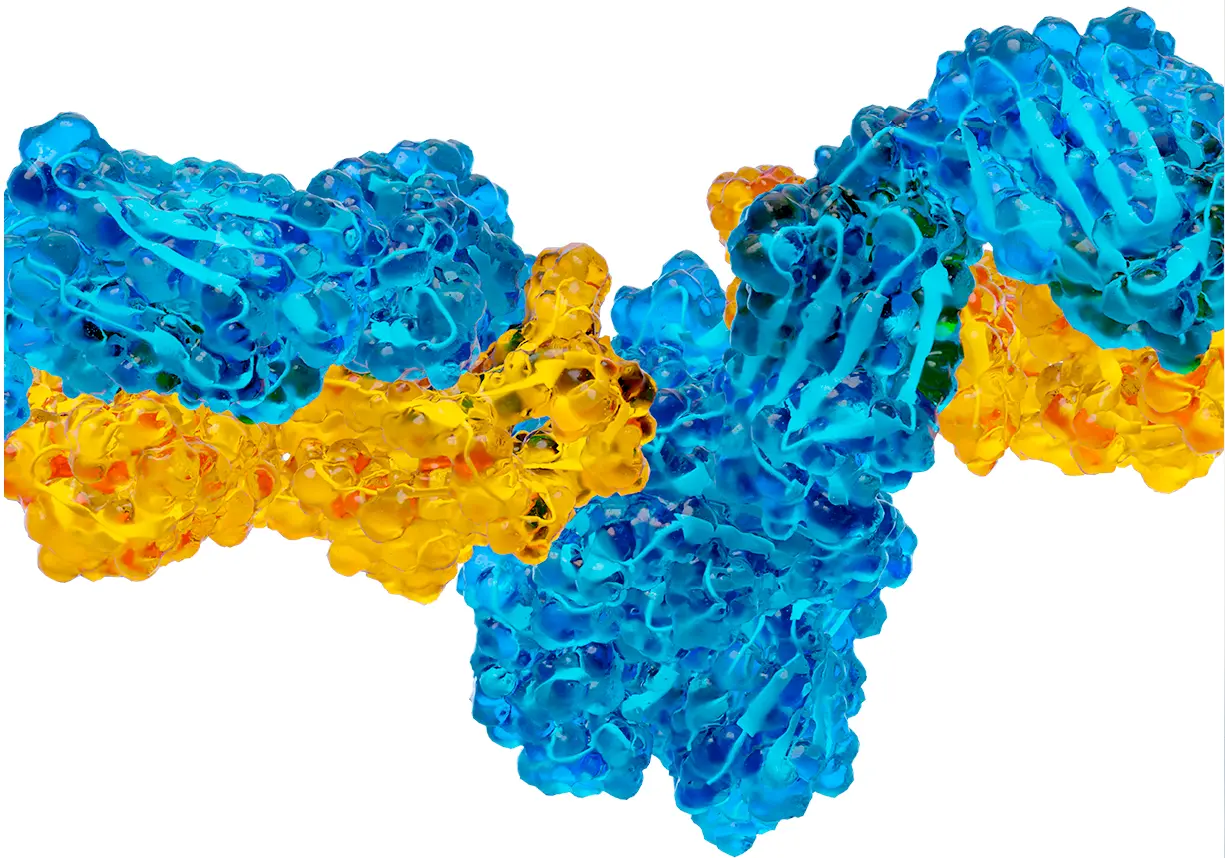
Harnessing icIEF to Unlock Protein-Based Therapeutics
The development of biotherapeutics has revolutionized modern medicine by providing new treatment options for a wide range of diseases.
ebook
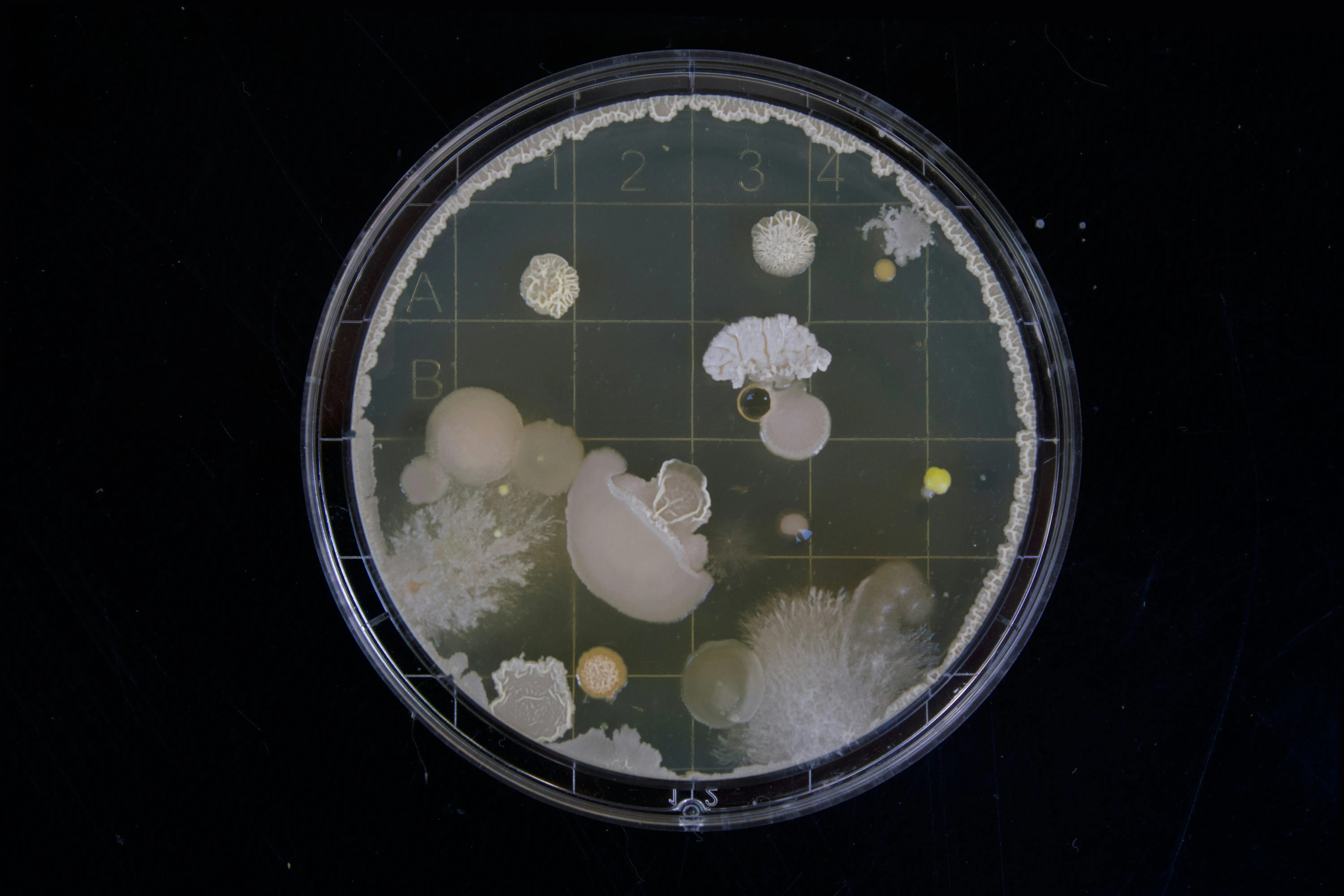
Test Post
The development of biotherapeutics has revolutionized modern medicine by providing new treatment options for a wide range of diseases.

Decoding Disease: Insights from Proteomics in Cancer and Viral Pathogenesis
Proteomics is a vital field of study that focuses on understanding the functions of proteins within biological systems. It holds significant importance in deciphering the complexities of diseases like cancer and viral infections. Through the analysis of the proteome, researchers can gain valuable insights into the underlying molecular mechanisms of these diseases. Moreover, proteomics enables the identification of potential targets for diagnosis and treatment, paving the way for improved therapeutic strategies.
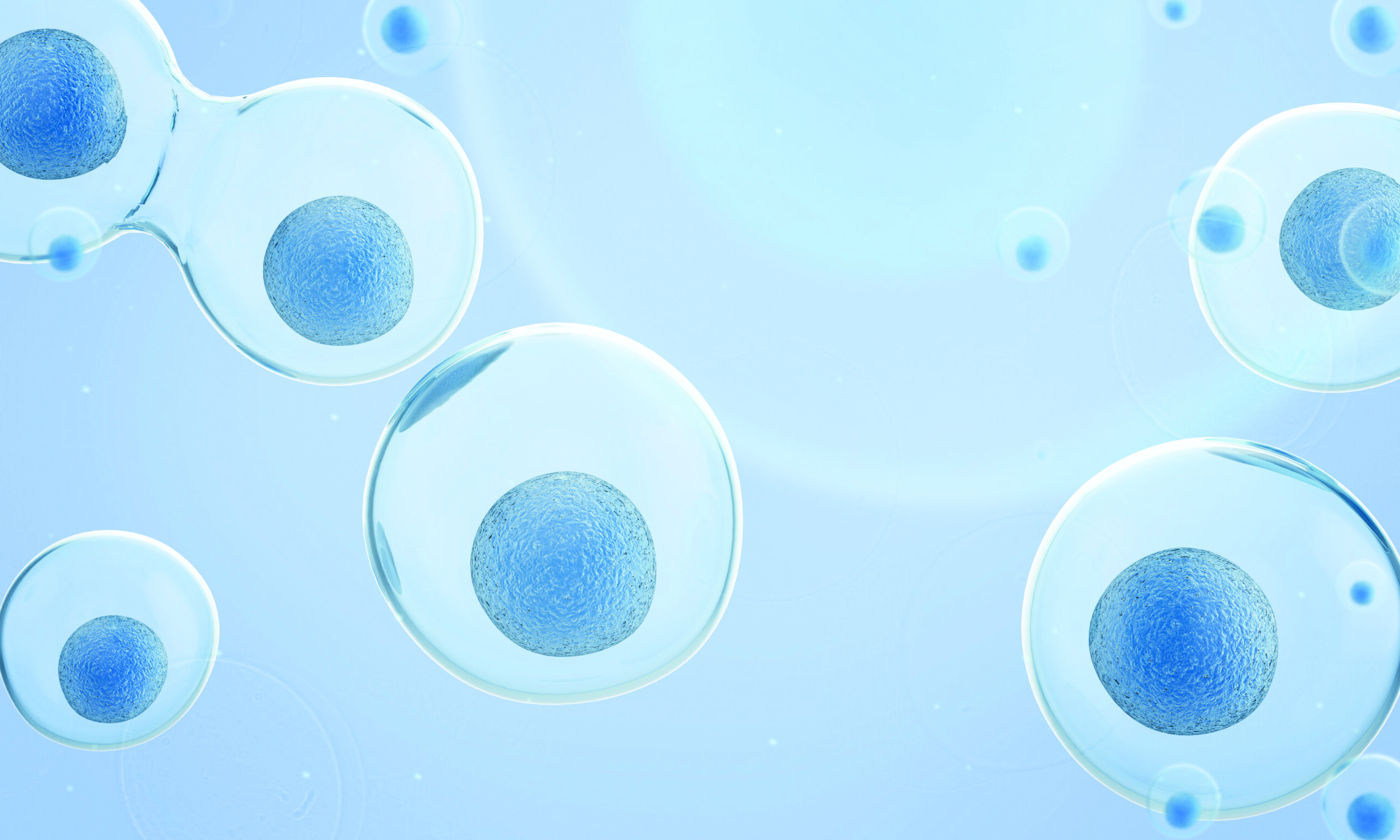
Stem Cell Enumeration Methodology for Clinical Therapeutics
Cellular therapy using transplantation of stem cells collected from bone marrow and peripheral blood are key treatments for diseases of the hematopoietic system. Crucial to this is a careful and reliable measurement of the viability and quantity of stem cells available for transplantation and the outcomes post-transplantation. Measurement of the hematopoietic stem cells is commonly done using the International Society of Hemotherapy and Graft Engineering (ISHAGE) protocol, but variations in methodology can lead to reproducibility and standardization issue. Optimally configured flow cytometry equipment such as the BD FACSLyric flow cytometer along with reliable labelling reagents such as the BD™ Stem Cell Enumeration kit have greatly improved the evaluation of HSCs collected from bone marrow or peripheral blood collection.
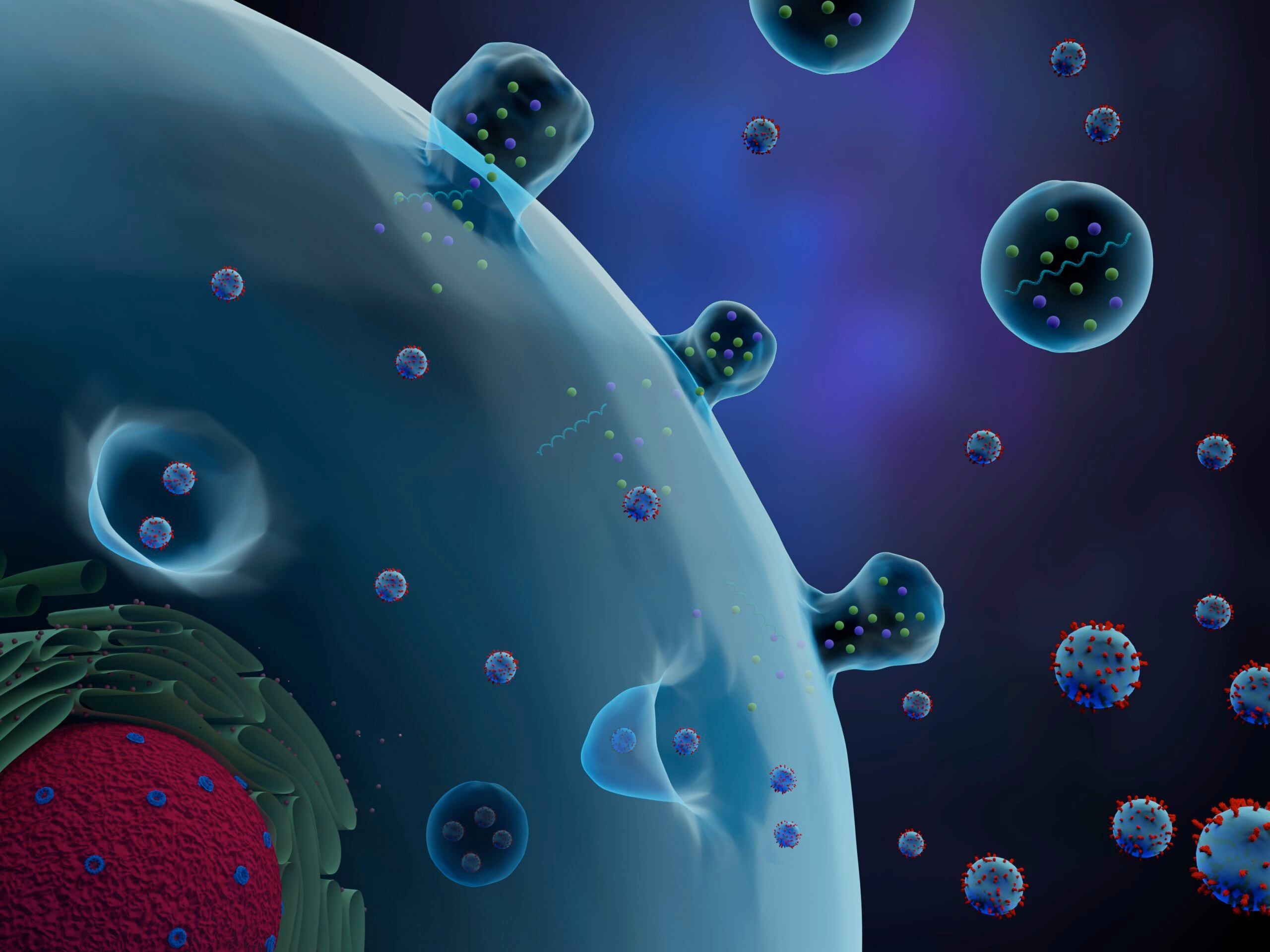
Exosome Production, Isolation and Applications: From Cancer Research to Therapeutic Targets
Extracellular vesicles (EVs), including exosomes , are small, membrane-bound particles that play a critical role in intercellular communication, including in cancer. Here we explore their potential in novel small EV production modulators, EV isolation from plants and purification, engineered exosomes in tumor immunology, and EV bioprocessing. With the crucial role of exosomes in cancer diagnosis and treatment, their isolation remains a crucial area of research for developing diagnostic tools and therapies.
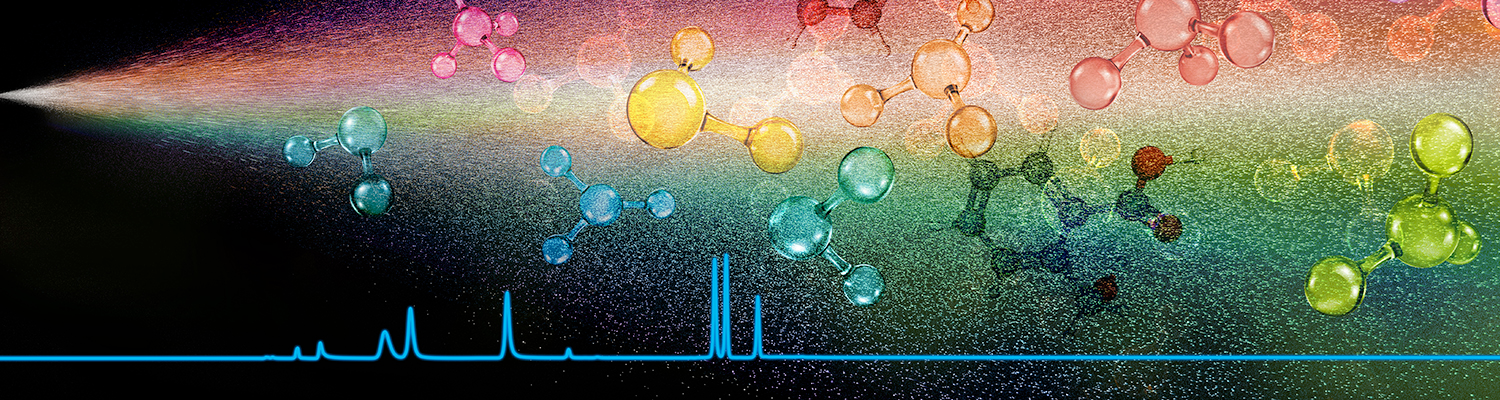
How Charged Aerosol Detection is Revolutionizing HPLC Analysis
Traditional detection methods such as UV-Vis and MS have limitations when you need to analyze a complex mixture of compounds, such as those that lack a chromophore or are not ionizable. The Charged Aerosol Detector (CAD) can help you extract valuable information about sample composition that is not always possible with traditional methods. HPLC-CAD analysis is a powerful alternative that offers you sensitive, near-universal detection and standard-free quantitation. This analytical technique is an invaluable tool for industry professionals, especially those in the pharmaceutical and natural medicine fields.
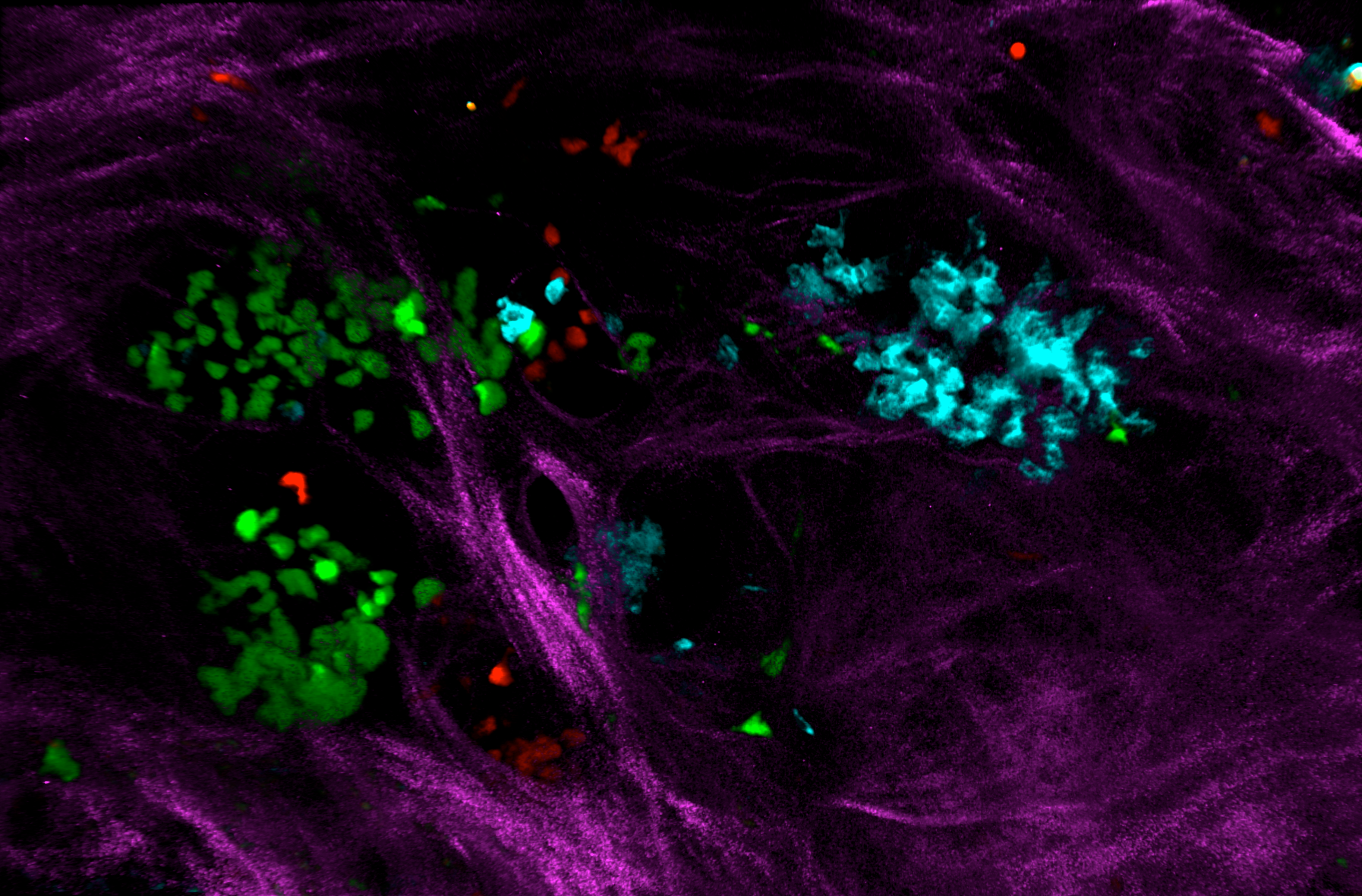
Illuminating Cancer Mechanisms Through Confocal Microscopy
Cancer is one of the leading causes of death worldwide. Despite incredible breakthroughs in cancer medicine, the number of cancer patients is still expected to rise in the upcoming decades. This prediction is attributed to various factors such as growth and aging of the population as well as certain lifestyle behaviors. With the projected increase in cases, there is a pressing need to develop novel, effective therapeutics.

Innovative Approaches for Preclinical Development of Biotherapeutics
Through this research article collection, researchers will be educated on important considerations and innovative techniques to enhance the preclinical development of biotherapeutic agents.
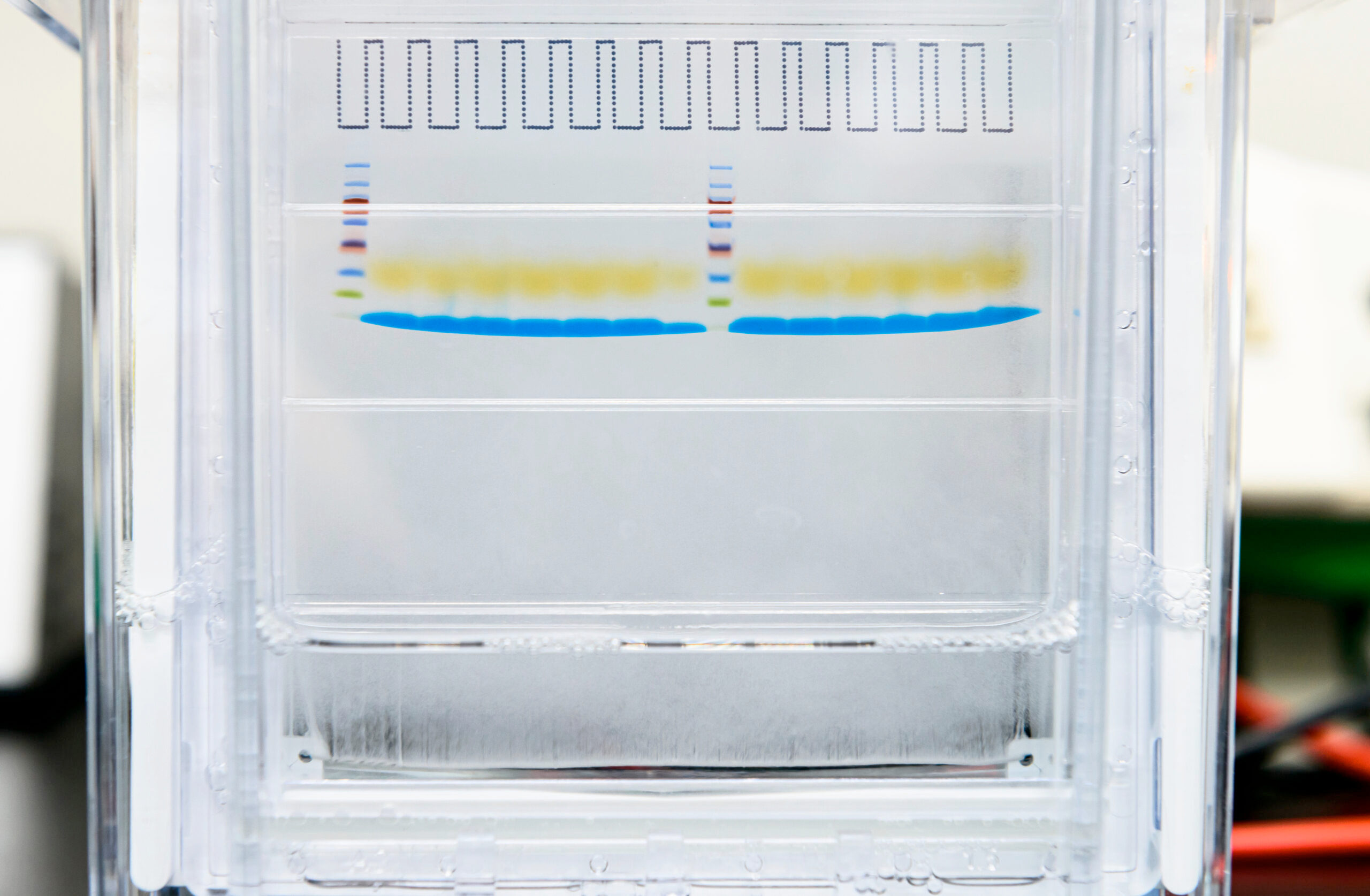
Fundamental Laboratory Techniques: Western Blotting
Western blotting, also known as immunoblotting, is one of the most widely-used foundational techniques for the identification and quantitation of protein expression. Furthermore, this technique can be used to understand how proteins interact with DNA, to measure protein modification such as phosphorylation or glycosylation and to evaluate different protein isoforms. Advances have been made in all aspects of the technique, from sample preparation to labelling and visualization of proteins, as well as automation.
Flow Cell Sorting: Biosafety for COVID-19 Research and Diagnostics
The SARS-CoV-2 pandemic has created numerous challenges in the clinical and research communities. Particularly impacted are the operation of shared resource facilities, which provide valuable experimental services and analytical expertise to their users. Adapting to this new operational environment requires the creation of new operating procedures to safely manage the exposure of facility personnel to infectious disease-bearing samples. Through collaborative effort, shared resources facilities are leading the creation of operational guidelines to continue their contribution to research and diagnostics for SARS-CoV-2.

Advances in Bioprocessing Cell Line Development
The advent of engineered recombinant proteins for use as therapeutic agents, termed biologics, has led to an explosion in the number of treatments available for a range of diseases. The process of creating biologic-producing cells is called cell line development. It encompasses the engineering of a host cell line to express a designed therapeutic molecule for the purpose of commercial production, which can take months to years to accomplish. For any cell line development pipeline, there are key consideration such as accurate measurements of cell line growth and productivity, biologic product quality, and costs associated with reagents and labor required to maintain the cultures leading up to commercial production.